News & Articles


New Record

Posted by mikeh On April 16th, 2012

It has been discovered that we missed the fact that Alan Bath’s cast of 121′4” in the nine weight at Cullumpton was in fact a record cast for the V70 class. Sorry about that Alan.

Congratulations, really well done.

Cullumpton 2012

Posted by mikeh On April 3rd, 2012

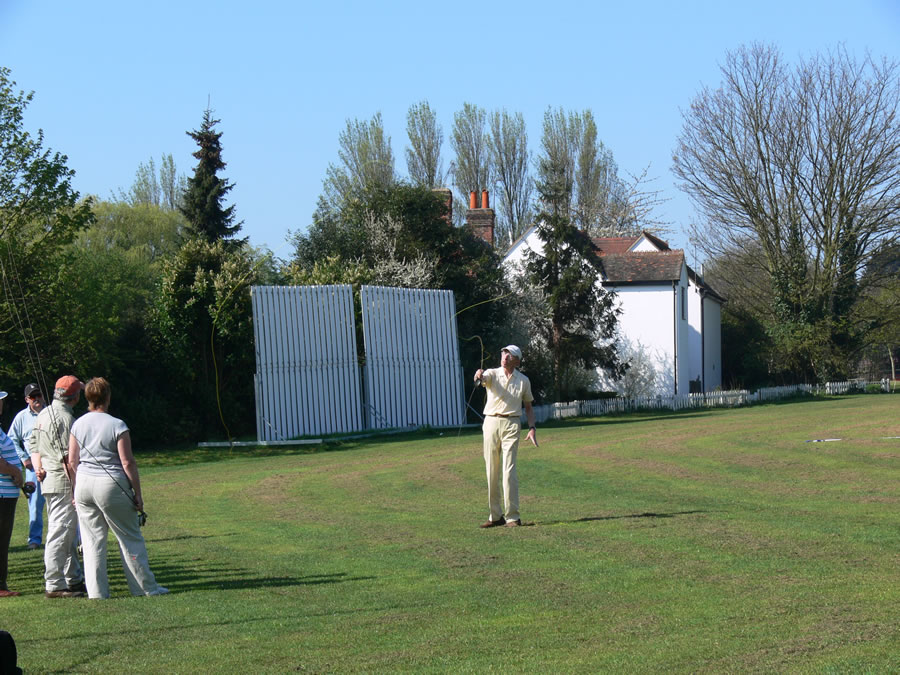
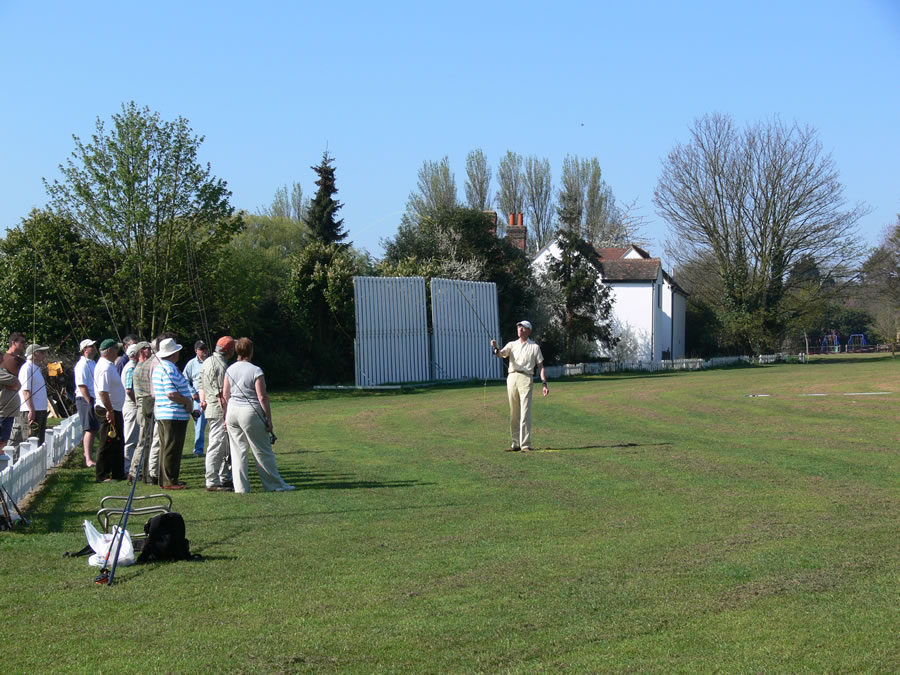
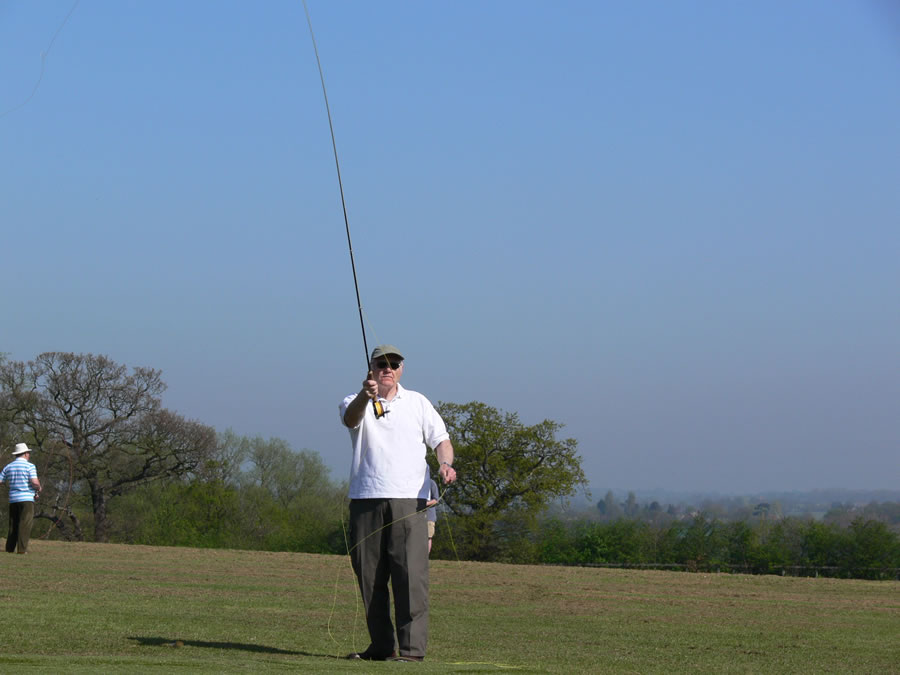
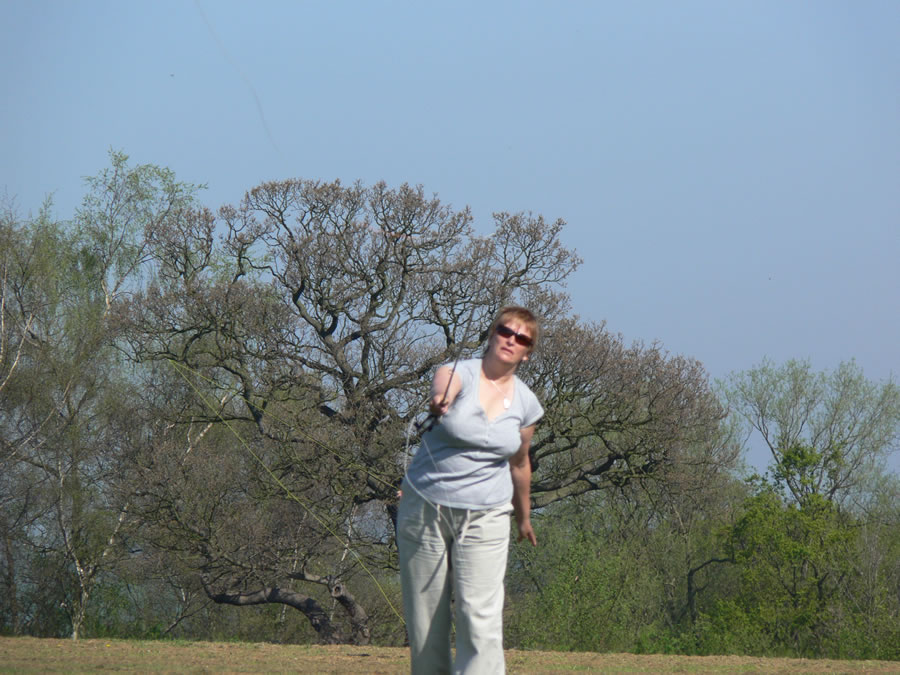
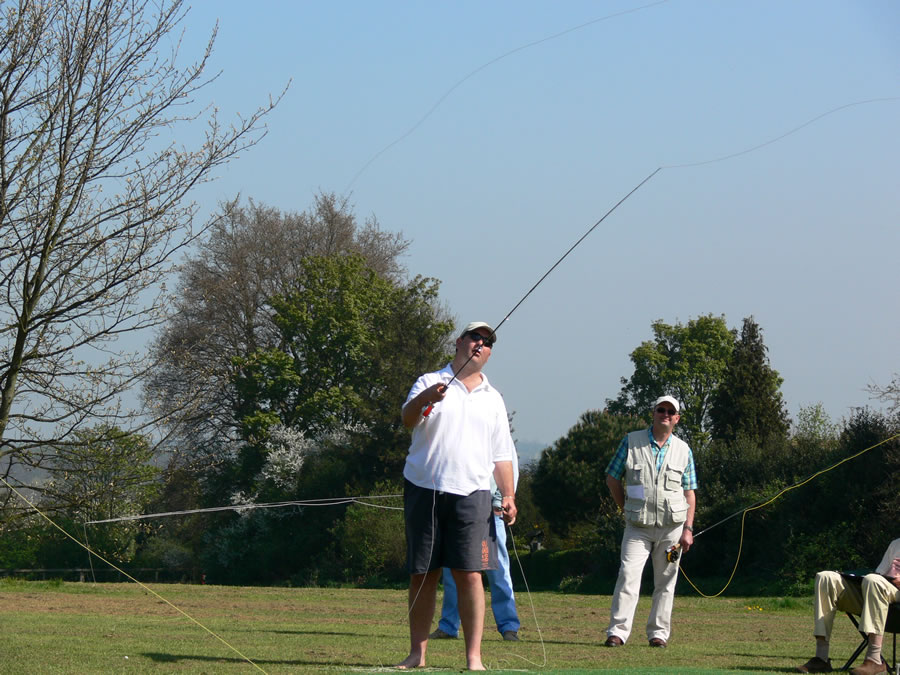
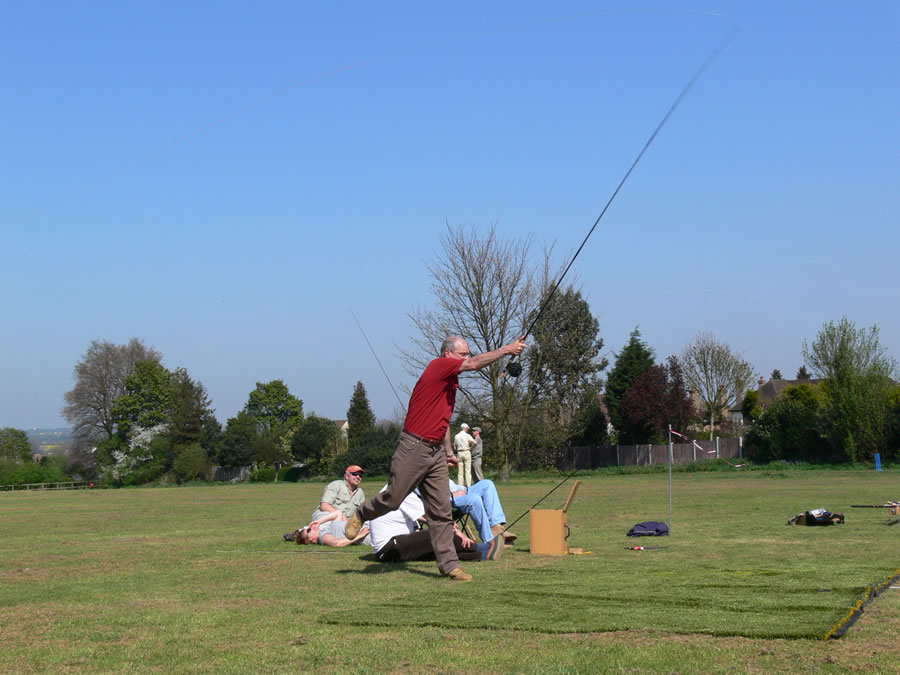
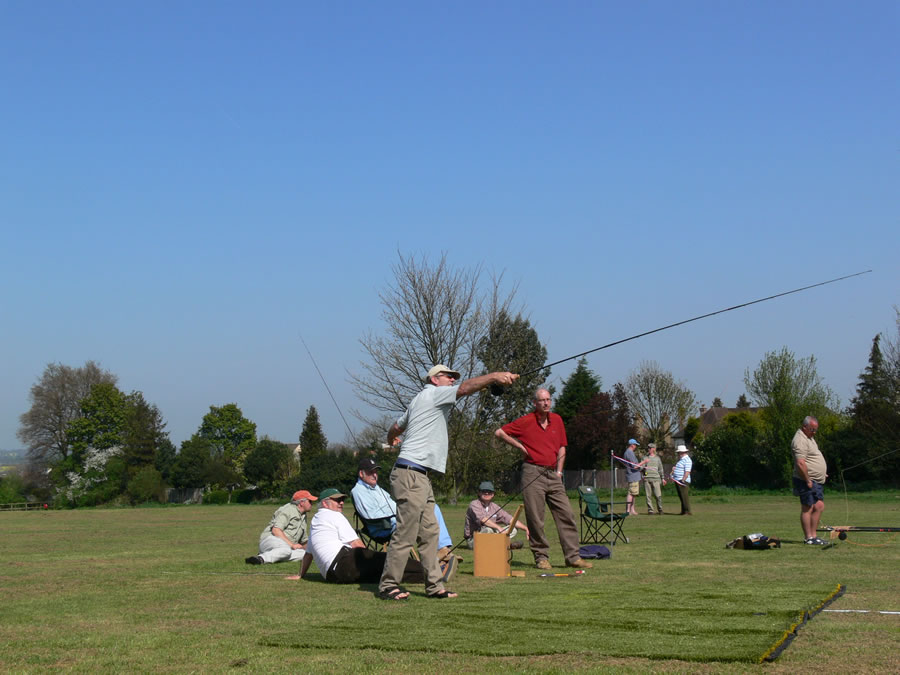
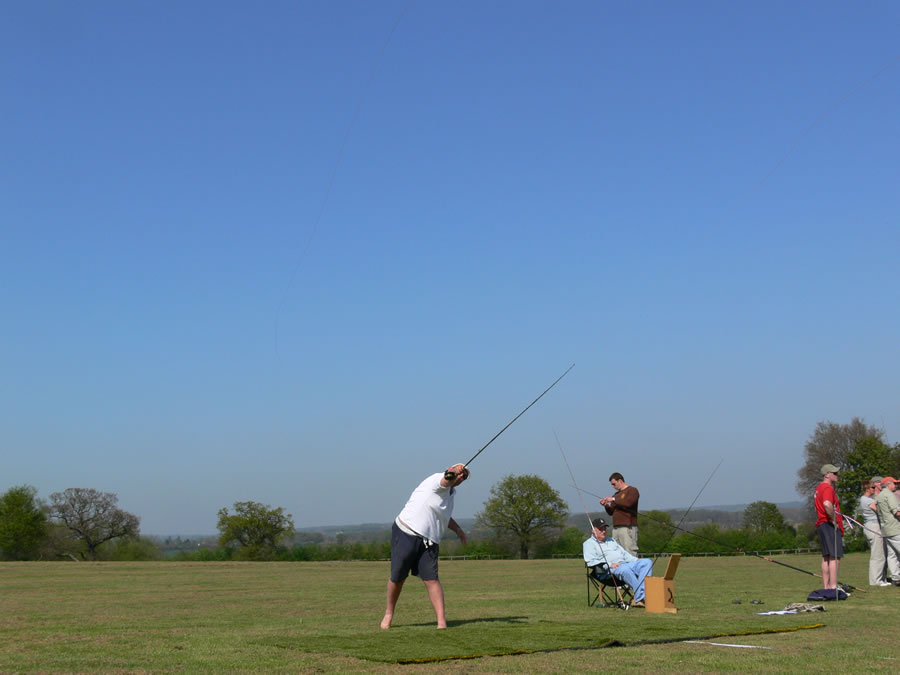
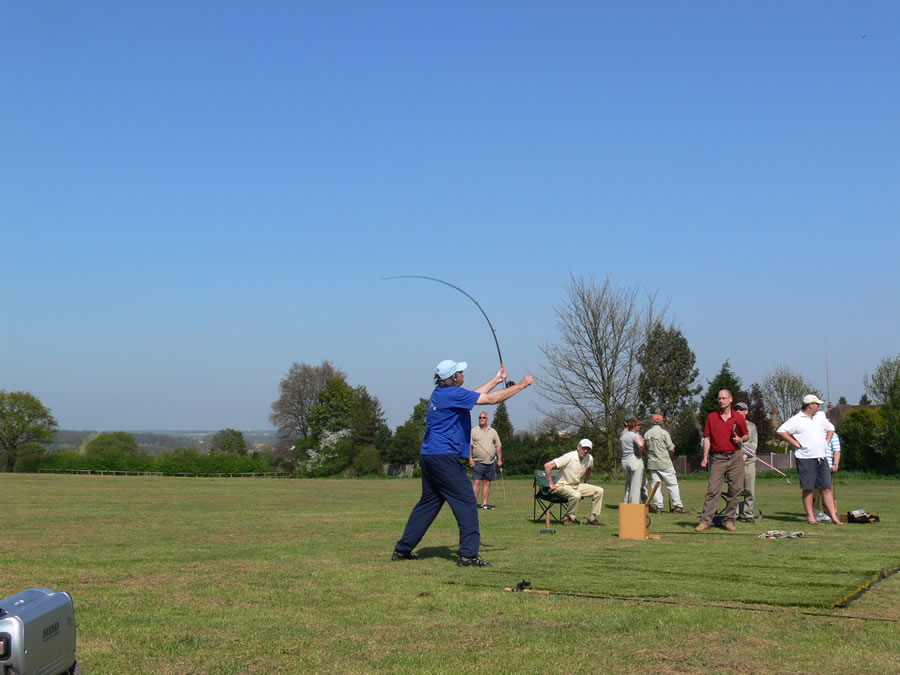
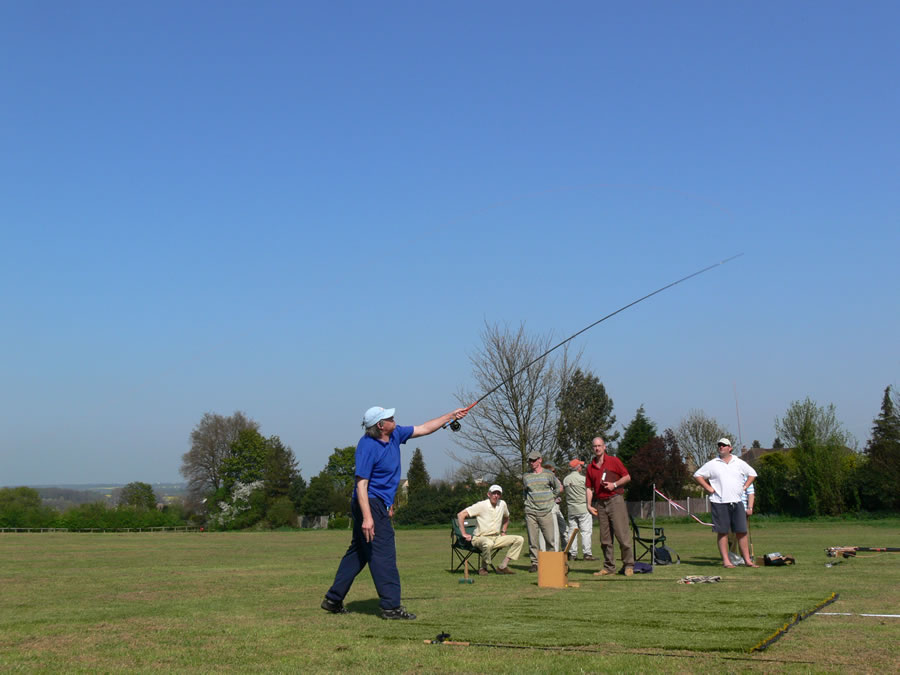
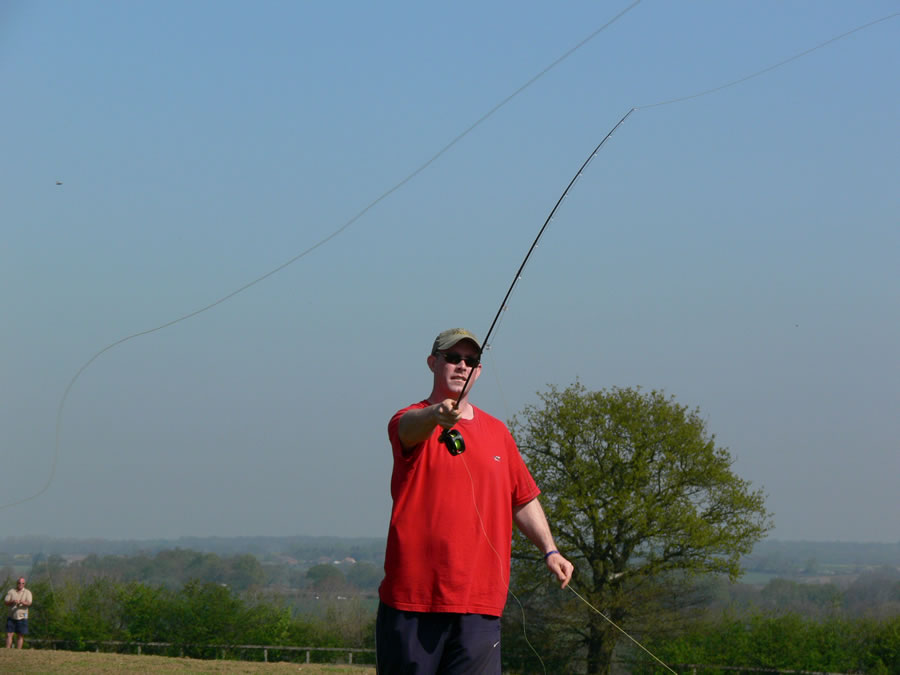
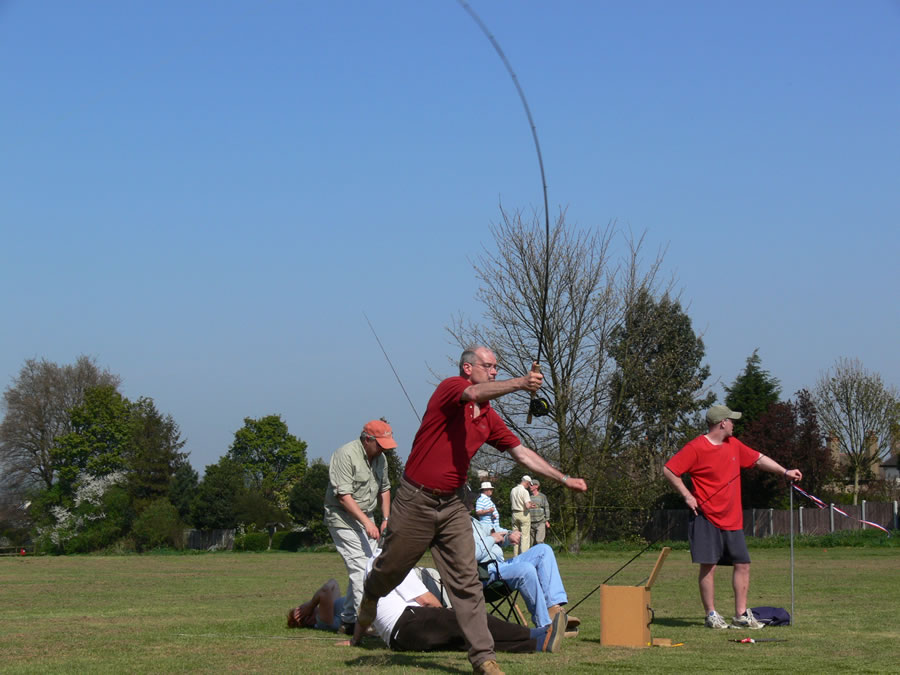
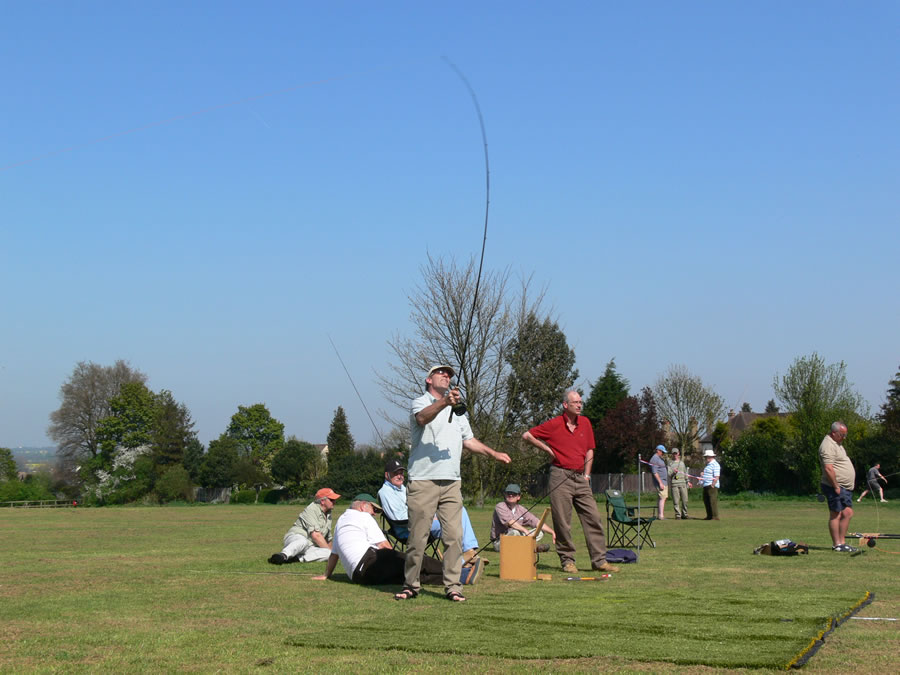
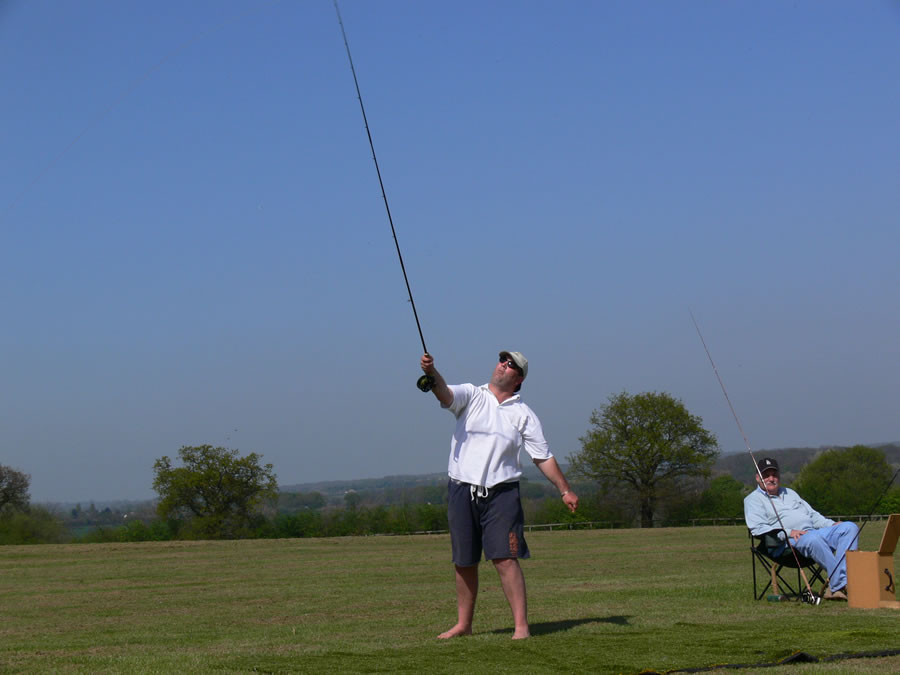
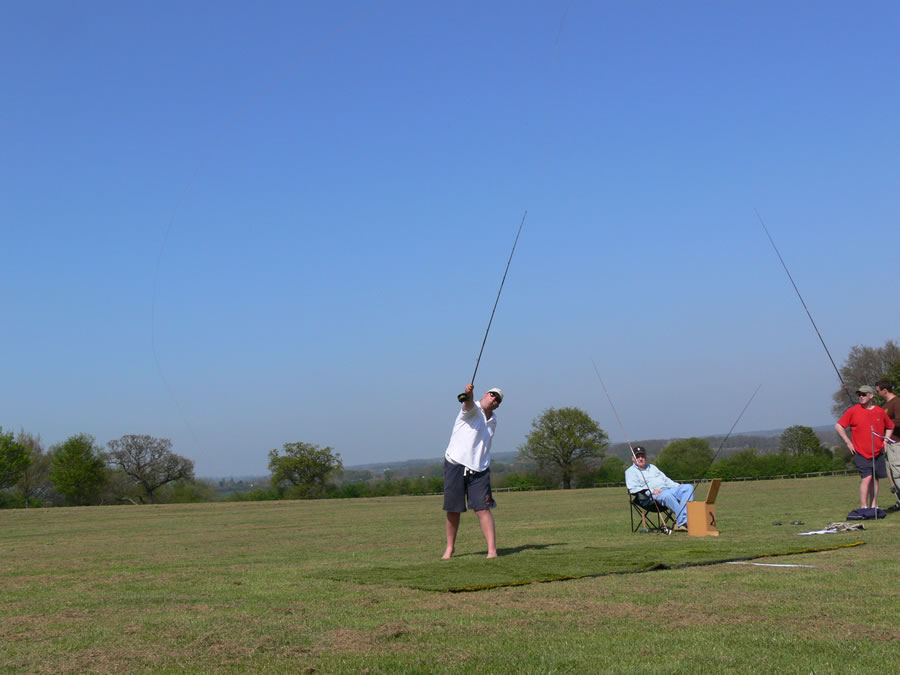
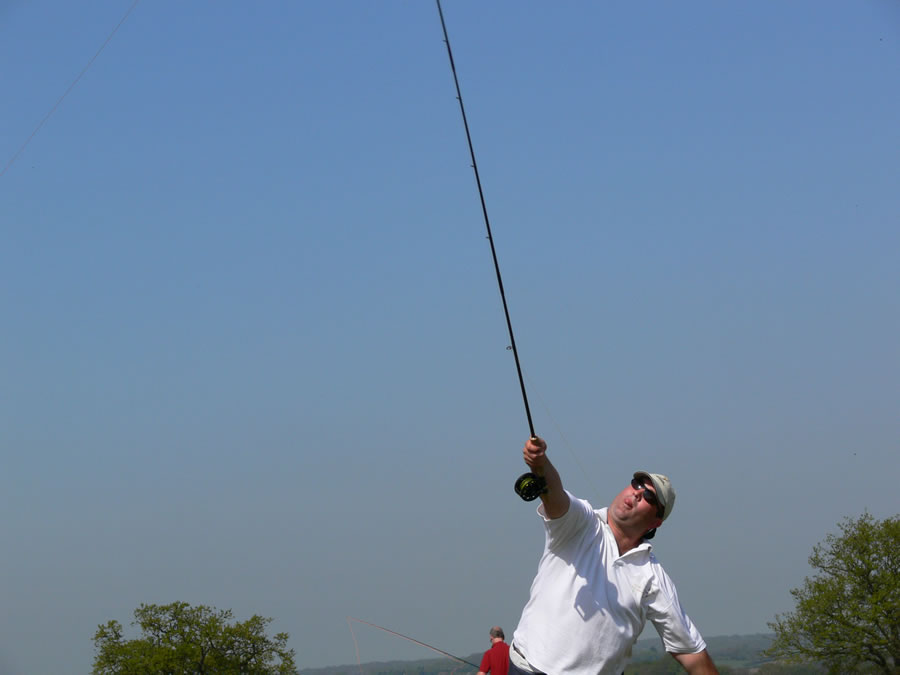
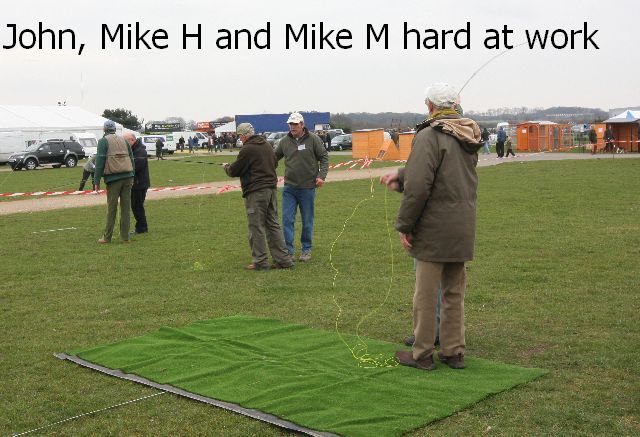
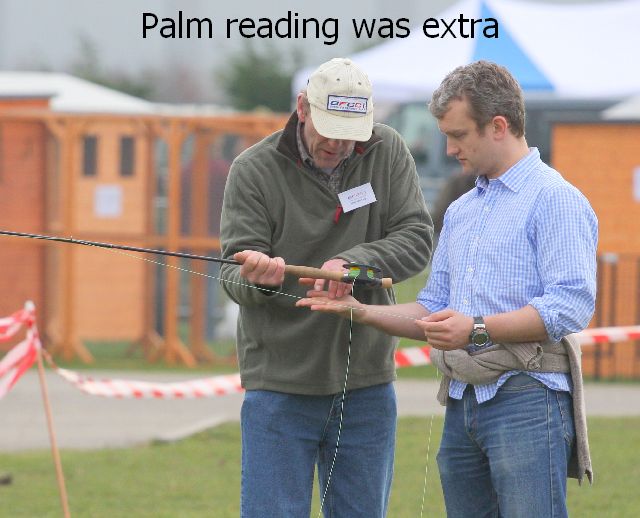
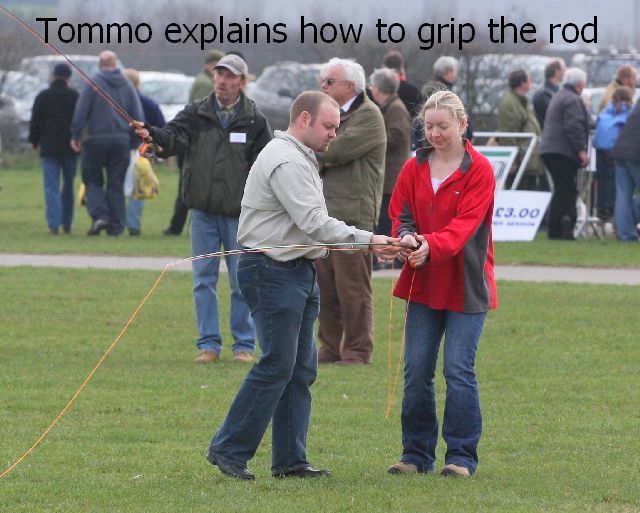
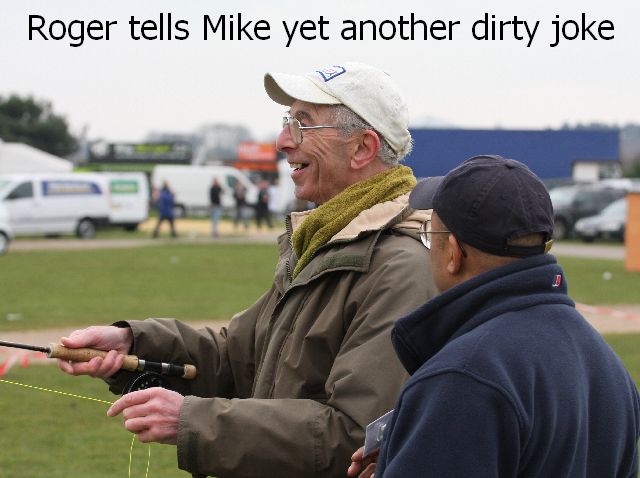
My goodness we get about, last weekend we were instructing at the Kent Game Fair near Maidstone, this weekend we had our first real event of the year at Cullumpton in Devon, our first venture in the west country. Despite it, apparently, being the first day of the season we had a remarkable turnout. More than twenty wanted to compete and several others decided to concentrate on the instruction being offered. Rumour has it that this is likely to be an annual event, we will certainly be there next year anyway, it’s already booked!

We would like to welcome the new members, Bryan Martin, Tim Edwards, Tom Hill, Matthew Kelly, Fiona Smith, Alan Barrow and David Chester and congratulate the winners of the various events. Also, a very well done to those who achieved their distance badges. Another five yards next year please.

The weather conditions were much better than forecast, bright and sunny all day with, what should have been, a perfect breeze. However, something was wrong because it was just one of those days when the line ‘hit the wall’ and crashed and burned. If the line had actually managed to turn over instead of piling most of the distances would have been substantially better. Despite that John Reynolds hit a very respectable 183′ 1” with the T38 and Matt Tonkin (who seems to have shrunk) popped the T120 out to 206′ 3”. Toby Merrigan needs to be watched as he won the #9 weight with 123′. Alan Bath nearly had it with a very good throw of around 122′ I believe. James Evans took the seven 122′ 9” and I scraped the five with 113′ 3”. Alan Bath won the B100 with a very good aggregate score of 192′ 4”.

The BFCC would like to say thank you all for making us feel welcome and providing such wonderful facilities and we are already looking forward to seeing you all again next year.

Our next instructing event is at Sportfish Reading 12th and 13th May.


Mike H

NEW QUALIFICATION FOR ROGER MILES

Posted by mike On March 14th, 2012

At the GAIA meeting in North Wales on the 9th March, Roger who was a GAIC (single handed casting), took another step up the qualification ladder. After a searching three hour examination he achieved APGAI - Advanced Professional Game Angling Instructor (single handed casting), resulting from a great deal of dedicated preparation. Our congratulations and thanks are due to Roger since I know his knowledge will, ultimately, be used for the benefit of all at BFCC Meetings.

Kent Game Fair

Posted by mikeh On March 7th, 2012

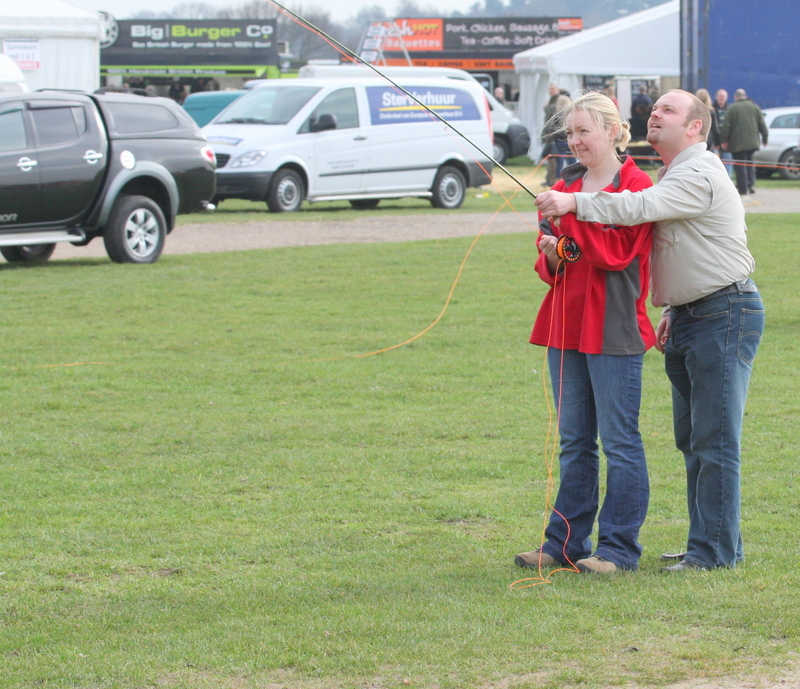
This is just to let you all know that the BFCC will be at the Kent Game Fair, Detling, Nr Maidstone, Kent on the 24th and 25th March. We will be offering fly casting instruction and casual chats, no competing this time. I will also be standing in for Charles Jardine and doing the fly casting demos, indoors and out.

If you are there pop over for a chat and if we look cold and/or wet my coffee has two sugers.

Mike H

TENNIS ELBOW – it’s all in the grip! (by Dr. Vernon Wood)

Posted by mikeh On November 16th, 2011

Although fly casting can cause injury to most parts of the body, not surprisingly, the casting arm is particularly vulnerable.  And it’s the elbow that seems to bear the brunt, if the frequency of tennis elbow amongst fly casters is anything to go by.

What causes tennis elbow?

Let’s get rid of one popular misconception straight away.  Although the pain of tennis elbow is felt at the elbow, curiously the condition has nothing whatsoever to do with elbow overuse or malfunction.  The sole cause is excessive or strenuous gripping – the dreaded TIGHT GRIP!  I’m sure a detailed anatomical dissertation is not appropriate here but, for anyone curious or doubtful, the following paragraph hopefully will help to explain things…….or you could just trust me on this one and move on!

To fully appreciate how tennis elbow develops, it is necessary to understand the part played by the forearm muscles.  These muscles, with tendons at each end, connect the inner side of the elbow to the front of the wrist (flexor muscles) and also the outer side of the elbow to the back of the wrist (extensor muscles).  One of the jobs of these two opposing muscle groups is to automatically stabilise the wrist joint during the act of gripping.  It’s easy to confirm this by making a fist and using the other hand to feel the tense forearm muscles bracing the wrist; note that the harder one grips, the more the forearm muscles contract.  With excessive or strenuous gripping something eventually has to give and usually it is the tendons at their attachments to the elbow.  The result is pain and inflammation either at the inner side of the elbow if the strain has fallen on the flexor muscle tendon (golfer’s elbow), or at the outer side if the extensor muscle tendon has been affected (tennis elbow).  Because of the particular mechanics involved, fly-casters are more likely to suffer tennis elbow than golfer’s elbow.

When does a firm grip become a tight grip?

So, we accept that tennis elbow is caused by too tight a grip.  But when does a correct firm grip become a harmful tight grip?  Some advise that the rod be regarded as a delicate instrument, not a garden tool.  Mike Marshall suggests the correct grip is like holding a tube of toothpaste with the cap off – squeeze too hard and you’ll make a mess of things!  One thing’s for sure – if the knuckles go white, the grip’s too tight!

How do I know I’ve got tennis elbow?

Gripping (sometimes in severe cases even just holding say a cup of tea) will cause pain at the outer side of the elbow and this spot will be tender when pressed.  Another test for tennis elbow is to hold the arm out straight then attempt to bend the wrist backwards against resistance; this will provoke pain at the outer side of the elbow.  Consult a doctor if there is any doubt about the diagnosis or if symptoms persist despite appropriate treatment.

How do I treat tennis elbow?

Painkillers such as paracetamol or non-steroidal anti-inflammatory drugs (NSAIDs) such as ibuprofen may be helpful.  Ideally, any activity that provokes the elbow pain should be avoided until symptoms completely settle.  However, since this could make fly rods redundant for quite some time, it may be possible to continue casting or fishing by employing some of the preventative measures discussed below.  Other lines of treatment include physiotherapy involving ultrasound, friction massage or manipulation.  The most effective treatment by far, albeit possibly quite painful for a day or two after, is a steroid injection into the tender spot at the elbow; this should be repeated after two weeks if symptoms persist.  Incidentally, I have never been a fan of tennis elbow appliances, although admittedly some sufferers swear by them.

Left untreated, tennis elbow tends to get better by itself within one to two years.

How do I prevent tennis elbow?

The aim of prevention is to avoid excessive or strenuous gripping and that’s the basis for the following suggested measures.  I realise that some are simply a matter of common sense or very much in the category of preaching to the converted, but for the sake of completeness l would ask you to bear with me.

Measures relating to tackle

Let’s consider rods first of all.  The longer and heavier the rod, the tighter the grip has to be to control the increased leverage on the wrist.  So changing to a shorter, lighter outfit (say a 9ft 5 or 6 wt) might be worth considering.  Similarly, a rod with a progressive rather than a stiff action would be preferable.  A rod handle that is too thin will be difficult to grip and thus need to be held more tightly.  Mike Marshall recommends a handle of between 7/8” and 1” in diameter at the centre.  For the average hand this should ensure there is a gap between the finger tips and the palm when holding the rod handle with the thumb on top; if not the handle is too thin and needs to be taped up.  Mike also points out that the reverse half wells design needs a tighter grip to stop the hand slipping up the rod, so he therefore favours a full wells which avoids this problem.

Considerations about the reel balancing the rod are outweighed by the importance of minimising the overall weight of the outfit.  Choose the lightest possible reel, consistent with storing the line and sufficient backing.  An up-locking reel seat is preferable since the closer the reel is to the wrist fulcrum during casting, the less strain there will be.  For a right-handed angler, the reel should be set for left-handed winding.  This avoids having to change hands when playing a fish and ensures that the stronger hand is always holding the rod.

With regard to fly line ratings, bear in mind that both under-loading and over-loading the rod will involve more effort by the caster and that the inevitable consequence of increased effort is a tighter grip.  Extremely long-bellied WF lines (so-called “extra distance lines”) offer incredible potential for experienced casters.  However, they are more physically demanding and are not to be recommended for more modest achievers.  To maximise the benefits of the shorter, lighter rod mentioned above, a short (9 - 10 yards) shooting head might be worth considering.  Compared to a standard WF line set up, casting such a shooting head requires very little effort.   Intermediate lines should pose no problems when roll cast to the surface but sinking lines are probably best avoided because of the extra effort required to lift them from the water.

Measures relating to casting

The most mechanically efficient grip is one which controls the rod effectively with minimal gripping effort.  Of the many different grips suggested, the thumb-on-top is probably the most popular.  In efficiency terms it seems to demand the least effort, particularly when stopping the rod on the back cast which of course has to be done effectively in order to avoid “wrist cocking”. 

The longer the casting stroke, the easier it is to make the cast.  A short stroke may be all that is required for a short cast but using the same short stroke for a longer cast will require much more concentrated effort and therefore a tighter grip.

As we know, the more line that can be aerialised, the greater the distance potential.  However, regardless of line profile, struggling to false cast more line than can be comfortably handled is counterproductive.

Casting with a straight-arm action, that is with the elbow straight, is bad practice since apart from any casting implications, it requires the rod to be held more tightly.

If tennis elbow is an issue, engaging in tournament distance casting is probably asking for trouble bearing in mind the specialised tackle used and the greater rod loading involved.  With normal fishing tackle, seeking modest distances with minimal effort is preferable to striving for the horizon every time.

Even with suitable tackle and good casting technique, problems can still arise as a result of prolonged or excessive casting.  So it makes sense to keep false casting to a minimum and casting sessions brief, albeit frequent.

Measures relating to fishing

When a fish takes, some tightening of the grip is necessary, but striking with a huge heave (and possibly several running paces backwards – or is that just me?!) should be avoided.  

Never play a fish, particularly a big one, with the elbow straight and always have the rod butt supported by the forearm.  

A prolonged fight is potentially harmful, in tennis elbow terms, and lowering the rod angle nearer to the horizontal will certainly put greater pressure on the fish and subdue it more quickly.  However, unfortunately this demands a much tighter grip and therefore could actually be counterproductive.

Are exercises worthwhile?

Stronger extensor muscles will undoubtedly protect the more vulnerable extensor muscle tendon.  So, exercises may be worth considering, provided they are graduated and do not provoke tennis elbow symptoms - and that the newfound strength is not used to grip the rod even harder!  Specialised equipment is available from most sports shops but simple exercises such as squeezing a small rubber ball would suffice.

Parting shot

With its tendency to recur if the causative factors are not removed or modified, tennis elbow can be a troublesome condition for fly fisherman.  Because of the site of the pain, attention in terms of prevention is often focussed wrongly on the elbow.

So, ………whatever it takes, SLACKEN THAT GRIP and save the elbow!

I would like to thank Vernon for writing this for us. I have suffered from Tennis Elbow and can confirm not only the pain involved but also the sheer frustration of having to wash your face one handed. Heed the warning, if it hurts let it heal.

Mike H

BFCC MEMBER ALBERT HORNE

Posted by mike On November 7th, 2011

It is with much sadness that I have to record the recent passing of long standing Member, Albert Horne from West Sussex, after a short illness. Due to difficulties with travel he has not attended Meetings recently, however, he will not be forgtten as he is the one with the walking stick in the pictures on the website home page. 

Albert was a great example of casting keeping us going, since he reached the age of 89 years and was fishing up to 2010 and fly tying until 2011 - a great angling ‘innings’. In fact he learned his craft from the famous Lionel Sweet at the age of 7 and, later, greatly enjoyed teaching many anglers as a member of  many fishing-related organisations. From personal experience I know just how keen he was about casting and his knowledge was deep - he will be missed in angling and casting circles.

Albert is survived by daughters Jackie and Elaine and our thoughts reach out to them.

INSTRUCTORS QUALIFICATION SUCCESS

Posted by mike On October 29th, 2011

How’s this for a demonstration of dedication to a task, which is above and beyond the call of duty? Whilst on holiday in America with Jan, Roger Miles took time out to take a searching four hour examination set by The Federation of Fly Fishers, which he successfully passed. As a result Roger was promoted from Certified Casting Instructor to Masters Casting Instructor, an achievement which deserves much acclaim from everyone connected to The BFCC. However, Jan’s support must also be given full recognition.

When teaching with his usual enthusiasm in future, I know the BFCC Membership and our visitors will benefit from this success, so thank you in anticipation and well done Roger!

50gm SALMON LINE

Posted by mike On October 25th, 2011

The BFCC 50gm salmon line for our 15ft rod, through  good honest use, had become distinctly ‘tatty’ - but no longer! This came up recently in correspondence with my friend Simon Gawesworth of Rio, who has very kindly donated two Rio 550gr Leviathan shooting heads for me to make a replacement. This extremely generous act will assist future BFCC beginners and improvers, in the lighter double handed salmon class, to make further progress. So, on their behalf, many thanks Simon!!

Shenfield 2011

Posted by mikeh On October 10th, 2011

Hooray, it stopped raining. We had a run of luck with the weather that ran for years. This year our luck changed and we have frozen, been blasted by the remnants of hurricanes, been rained on and had to deal with flying shelters. Were we down hearted? No. We are the BFCC and we always end the day with a smile, even if it is through gritted teeth.
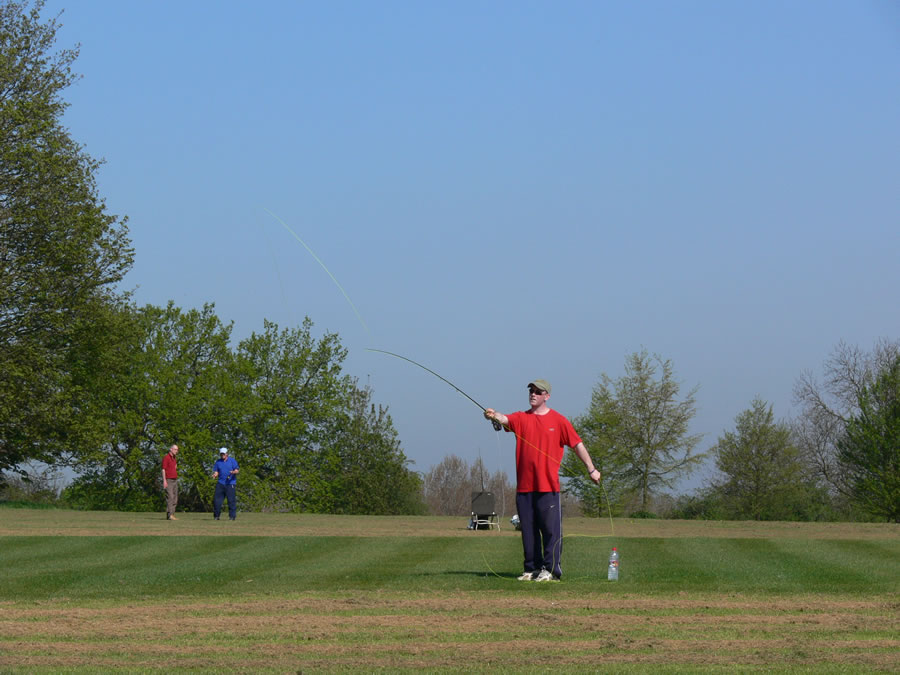
Shenfield has it’s limitations, like a newly sown wicket where we would have liked to cast but the opportunities the pavilion provided more than made up for it. Jan and Jenny providing tea, coffee, a sandwich and a smile was a really nice touch. Thanks girls your efforts were really appreciated.
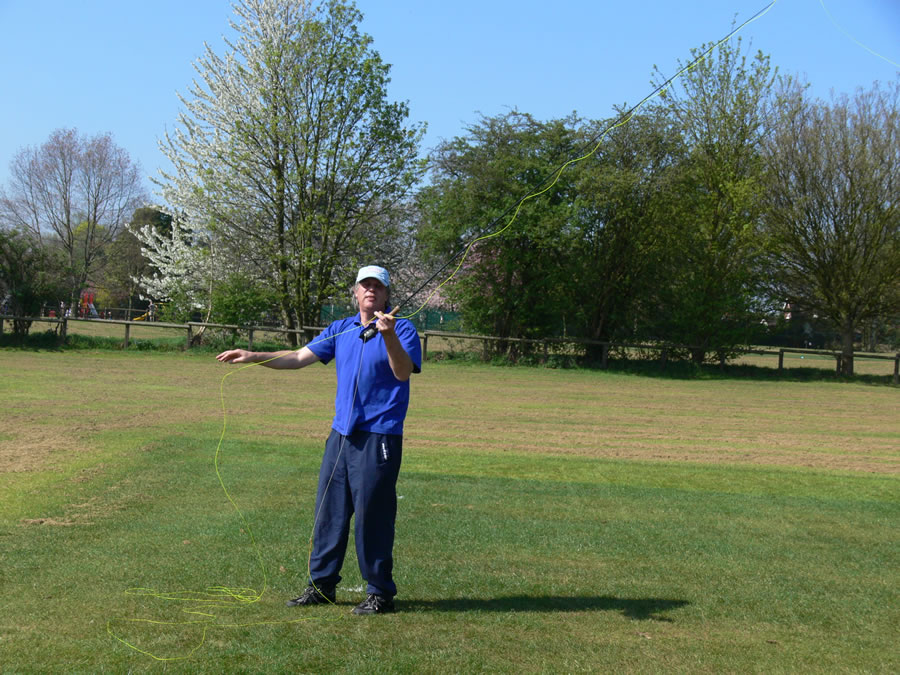
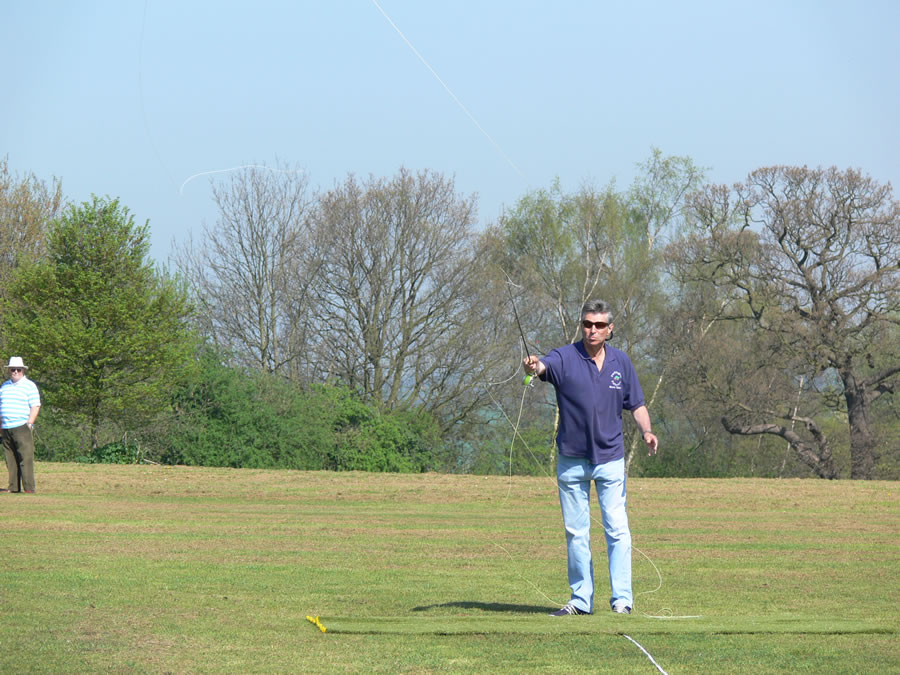
The gusty sou westerly made deciding which way to set the casting area up a bit of a problem but we got it right at the second attempt. The computer computed a random casting order and everyone swung into action.

Matt Tonkin made the six hour drive up from Devon and walked off with the five weight with a great cast of 121′ 10” 

James Evans had his revenge in the seven weight with a nice 127′ 10”

I was called 122′ in the nine which left me baffled as I had got the whole of the Snowbee XS out of the rod. It was then I discovered that Mike Marshall had not cut 15′ off of two tapes (so that the shooting line on the T38 and T 120 didn’t tangle in it) he had only done it on one and we were reading 15′ short on the nine weight lane! Don’t panic, we have added the missing 15′  to all the nine weights and also to Alex Titov who cast the seven from that lane. Anyway, add the 15′ to the 122′ and we have 137′ 6”. My turn to win something. Tracy Thomas added another Laurel to an already successful year by claiming the women’s 9 weight record with 105′ 10”

Alan Bath had the highest aggregate score (5 + 7) in the B100 of 203′ having hit a fantastic 110′ with his seven. You are getting close to elite Alan, stop practicing.

Before the real tournament gear was thrown Mike Marshall gave a master class because some had never cast them before. God knows what he told them (I was the other end of the field waiting to mark the casts) but when they did start I was having to extend the tapes to get the measurements! In the T38 John Reynolds just fell short of 200′ he is desperate to reach with a winning cast of 192′ 7” . Matt Tonkins first ever cast with the T38 was a massive 185′ 8” and Andrew Bagshaw a very creditable 166′ 5”.

Matt then threw an astonishing 213′  having never cast the T120 before. What distances he could cast if he knew what he was doing is frightening to consider.

We then all moved up to the accuracy area to finish the day with a laugh. The styles varied from hit ‘em fast and hard to a more concidered approach to some very idiosyncratic styles. John Reynolds machine gun tactics won the day.

The overall championship was tied between James Evans and Matt Tonkin. Well done guys.

Congratulations to Alan Bath for getting his 35 yrd badge, Wendy Bath for her 25 yrd badge, John Graham for his 30yrd badge and Matt Tonkin for his 55 yrd badge and a very rare and well deserved 70 yrd badge. Turned into an expensive day eh Matt?

Many thanks to Roger Miles, Mark Surtees and Mike Marshall for their continuous all day instructing. Thanks to Tracy and Hannah for keeping the score. Thanks to Wendy for taking everyone’s money so graciously And a big thank you to every one who helped.

We now have someone who understands how to upload pics to the gallery ( David Fisher) and they should be up soon.

See you all next year,

Mike Heritage

Gale Force In Glasgow (revised)

Posted by mikeh On September 13th, 2011

 Ah, technology is a wonderful thing. I missed a couple of important things in my report so you will have to read it all again to see what they were!

Welcome to Scotland was the sign I spotted through eyes slitted against the wind and rain as the remnants of hurricane Katrina started to make it’s presence felt. Great weather for fly casting. Not.

They breed them hardy north of the border. Hardly anyone who had pre booked the day failed to turn up and we a had a few who just turned up just for the craic. Thank you all for coming. On a personal note it was great catching up with old friends I usually only get to see once a year. I use the term friends loosely because they are mainly trying beat me and as I look down the result sheet I see most of them did so they went home happy. Make the most of it boys, it won’t happen again!

The BFCC had been invited by the Alberto Laidlaw and the Glasgow Casting Club to hold an event at the Lochinch Police Club in the Pollock Country Park in the middle of Glasgow. The facilities were great and it was certainly nice to have somewhere warm and dry where we could have a coffee and sandwich. The lounge was on the first floor with a huge window so that we could look down on the casting area, not that we had much time for it because we had twenty three casters who competed and with five events to get through we needed all the time we had.

The weather meant we were not going to see any really big casts but there were some very impressive ones none-the-less. Two stand out. Hamish Young casting in the B100 beat every one (including us so called elites) in the five weight with a fantastic 110′ 9”. Hamish, you are now officially Elite. Hamish also won the B100 class outright. He was run close in the five weight by William Mcguire and Tamas Bascali. The other one was canny old Mike Marshall who only cast in the T120 and put one out with his usual aplomb to 212′, streets ahead of anyone else.

The seven weight contest was really strange, some of us cast it less than the five. However John Reynolds did show us how it should be done with a cast of 123′ and James Evans had a nice 111′6”. Most of the rest of us didn’t even break the 100′ barrier. Very odd.

Things started to improve when we got the nine weights going, several of us got over 130′. However there was a dead heat for first place (which is an unusual event) with our own John Reynolds and Scotlands William Mcguire hitting a very respectable 138′ which tied for first place.

Mick Bell turned up trumps with 189′ 1” in the T38. James Hek is someone to watch for the future as he cast a new J17 record of 143′ 9”. That is a mighty cast for a fifteen year old, well done.

Also to be congratulated for achieving their 35yrd badges are Hamish Young and Mike Barrio, again, well done guys.

There was some potentially outstanding talent on display. It was such a pity that the weather didn’t allow them to shine.

I have a few thank yous that deserve a mention in dispatches, Alberto Laidlaw for the venue and the organisation. Mike Marshall for his tireless efforts in getting us all up there and driving up with all the BFCC paraphernalia. Tracy Thomas for keeping the score and us in order. John Reynolds for showing us some decent casting and, despite a bad hip, staying out in whatever the weather could throw at us to mark the distances. Will Shaw for his efforts in the field. Ally Bremner ditto, and not being a bloke ( which took me by surprise, I thought Ally was a mans name, especially in Scotland) and Roger Miles for keeping up our instructing arm.

I know I have missed names, I’m sorry, so let me just thank everyone who turned up on a not very nice day and made it a superb day.

The grapevine has it that the venue has already been re-booked for next year.

Look out for a write up in FF&FT some time soon by their roving reporter and ace caster Ben Dixon, who also had the camera out, so we might get some photos as well.

From a finally dried out

Mike H